Eating Disorders Awareness Week
#NEDAW
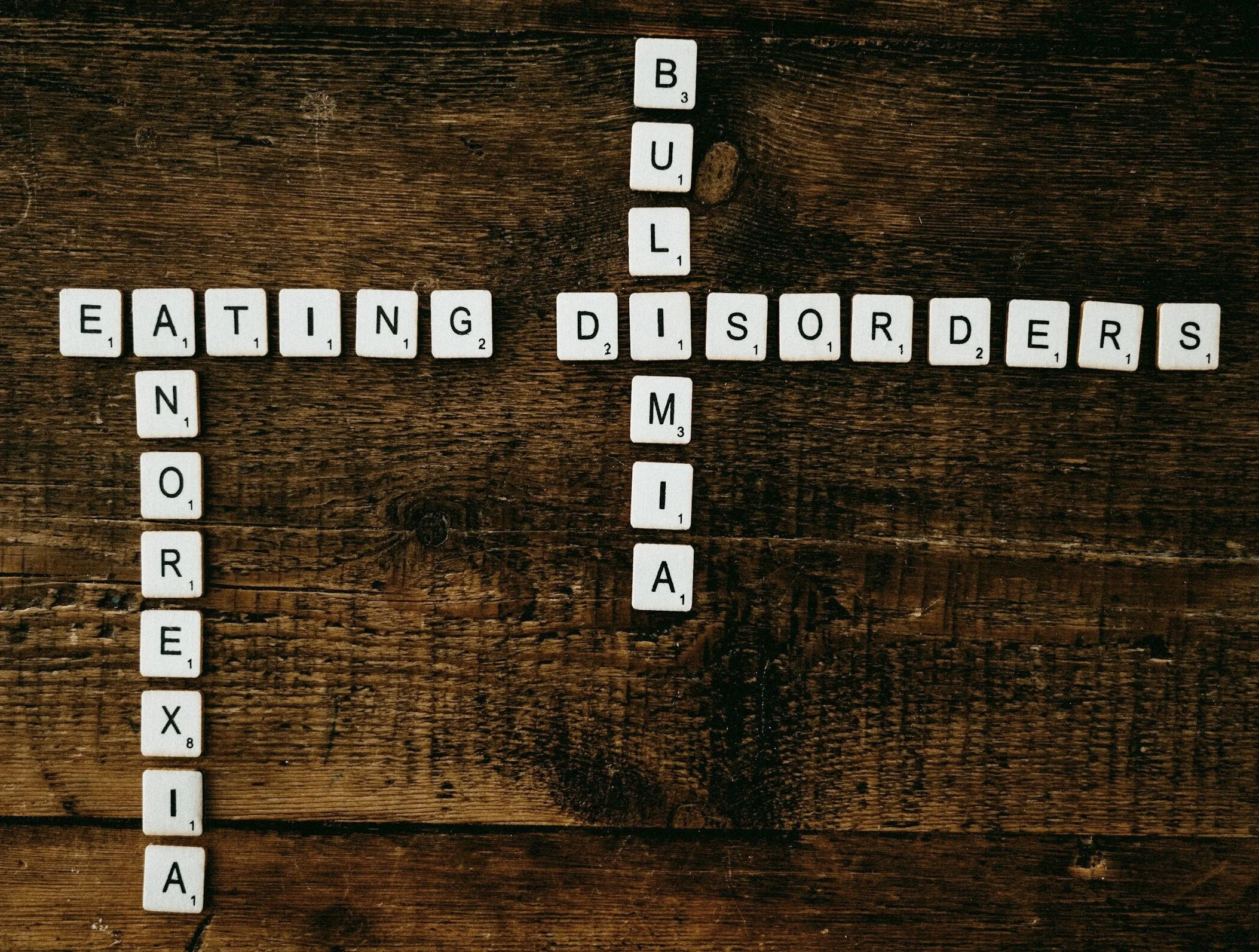
In honor of National Eating Disorders Awareness Week, we would like to take a minute to provide some information on common eating disorders. In this post we will discuss the features of anorexia, bulimia, and binge eating disorder. If you or a loved one are suffering from an eating disorder, help is available. We have listed some resources here that will help you get started on the path to recovery. Continue reading below…
Eating disorders are complex mental health conditions that can impact a person's physical and emotional well-being. Common examples of these disorders include anorexia nervosa, bulimia nervosa, and binge eating disorder. They often stem from a combination of genetic, psychological, and social factors. Individuals with eating disorders may experience extreme disturbances in their eating behaviors and thoughts, leading to serious health consequences if left untreated. Treatment for eating disorders typically involves a multi-disciplinary approach, including therapy, nutritional counseling, and sometimes medication to address underlying psychiatric illnesses. Early detection and intervention are crucial in helping individuals recover and develop a healthy relationship with food and their bodies.
Anorexia nervosa is characterized by an extreme restriction of food intake, intense fear of gaining weight, and a distorted body image. Individuals suffering from anorexia often see themselves as overweight, regardless of their actual size. This disorder can have severe physical and emotional consequences, including malnutrition, organ damage, and social withdrawal.
Bulimia nervosa is an eating disorder in which individuals engage in cycles of binge eating followed by compensatory behaviors to prevent weight gain. This may include self-induced vomiting, fasting, or excessive exercise among others. Individuals with bulimia often experience feelings of being out of control during binge episodes and use purging mechanisms as a way to regain a sense of control. This can lead to serious electrolyte imbalances, cardiac issues, gastrointestinal issues, and dental problems.
Binge eating disorder is an often overlooked mental health condition characterized by recurring episodes of consuming large quantities of food in a discrete period while feeling a lack of control over eating behavior. Individuals with binge eating disorder often experience shame, guilt, and distress about their eating habits, which can impact their physical and emotional well-being. Common symptoms include eating rapidly, eating when not physically hungry, and eating alone due to embarrassment about the amount of food consumed.

Recognizing Signs
of an Eating Disorder
Eating disorders can manifest in various ways. Some common signs to look out for include fluctuations in weight, obsession with body image, extreme dieting or food restrictions, frequent trips to the bathroom after meals, and preoccupation with calories and food preparation. Behavioral indicators such as avoidance of social gatherings involving food, secretive behaviors around food, or negative self-talk about body image can also point towards an underlying eating disorder. It's essential to approach the subject with sensitivity and compassion and to seek professional help for proper diagnosis and treatment.
Resources for Eating Disorder Treatment
National Alliance for Eating Disorders
o Website: allianceforeatingdisorders.com
o Helpline: 866-662-1235
o Provides support, resources, and treatment options for individuals and families affected by eating disorders.
National Eating Disorders Association (NEDA)
Website: nationaleatingdisorders.org
Helpline: 1-800-931-2237
Provides support, resources, and treatment options for individuals and families affected by eating disorders.
Eating Disorder Hope
Website: www.eatingdisorderhope.com
Features information on treatment providers, recovery tools, and online support communities for individuals with eating disorders.
International Association of Eating Disorders Professionals (iaedp)
Website: www.iaedp.com
Offers education and training for professionals in the eating disorder field, as well as resources for individuals seeking treatment.
Therapist Directories
Utilize online therapist directories like Psychology Today or GoodTherapy to find mental health professionals specializing in eating disorders in your area.
Support Groups
Visit the National Alliance for Eating Disorders for local or online support groups for individuals with eating disorders. These groups can provide valuable peer support and resources for navigating recovery.
Remember, seeking help for an eating disorder is an important step towards recovery. It's essential to find a treatment approach that fits your individual needs and engages a healthcare provider specializing in eating disorder treatment.